
Crypto-agility and the growing gap between risk and response
Crypto-agility is the ability to adapt cryptography as risks and requirements change. It starts with visibility, clear ownership, and an architecture that can support repeated change.
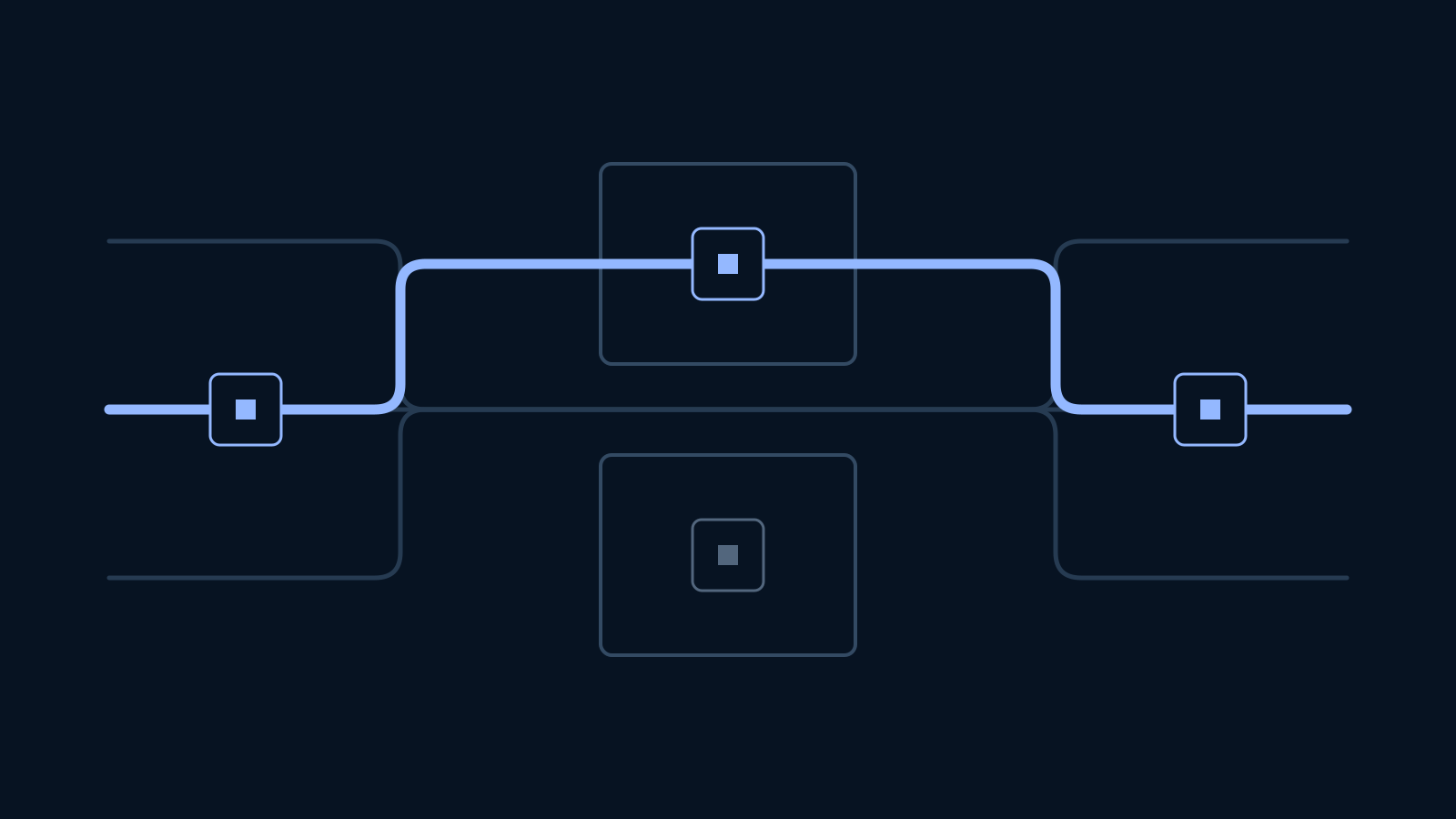
Crypto-agility: the ability to rapidly update cryptography.
NIST describes this term as “the capabilities needed to replace and adapt cryptographic algorithms for protocols, applications, software, hardware, and infrastructures without interrupting the flow of a running system to achieve resiliency.”
What it is and why it matters
Crypto-agility, while a technical capability, is also a strategy that positions organizations for resilient and secure cryptography in the long term. Many IT and data security professionals hear the term “crypto-agility” and think about its relation to post-quantum cryptography and perhaps even how their organizations are behind in adopting this capability. While common narrative positions crypto-agility as a future requirement alongside the longer-term capabilities of quantum computing, it should be thought of as a present condition to manage. This is because the emerging risks posed by quantum computing affect the state of an organization’s cryptography management today.
Think of “crypto-agility” like building a well-functioning house: During construction, we install standard outlets so that appliances can simply be plugged in and removed as needed rather than hard-wiring them into a wall which would require rewiring the wall anytime you want to upgrade an appliance. In a nutshell, this is crypto-agility: the appliances are your apps, the electrical system is your encryption, and the outlet is your interface.
Crypto-agility’s primary roadblock
As the business adage states, “You can’t fix what you can’t measure.” And this is why by the time the quantum threat is here, it will be too late for organizations who do not fully understand the complexities of their cryptographic landscape to adequately address this risk. At its core, crypto-agility is about reducing structural dependency risk, meaning how “locked” into cryptographic mechanisms an organization is— especially when this data hasn’t been inventoried and isn’t governed. Quantum computing will inevitably reveal the fragility of an organization's cryptographic sprawl, and these weak points will be prone to exploitation by adversaries.
From “algorithm migration” to “control failure”
In most large enterprises, cryptography has evolved organically and is embedded in applications and inherited through vendor ecosystems. The key issue is that it is rarely lifecycle-managed. An absence of governance and oversight can lead to “control failure,” which is why, in the context of PQC as an enterprise risk, crypto-agility is more than just a matter of algorithm migration. When a vulnerability emerges (quantum or otherwise), organizations that have yet to adopt "agile" cryptography will struggle to act at the speed and scale needed to address the threat. A proactive strategy can compress that decision-to-execution window from years to weeks, or even days.
Getting started with crypto-agility
So, what is the first step organizations should take in their crypto-agility journey? Deploying new algorithms is not the answer. The best first step is establishing a way to gain full visibility into your organization's entire cryptographic landscape. A comprehensive inventory is essential so that you can understand where and how it is used. Sometimes certificates expire before organizations are alerted— a business risk with (often) cascading consequences that can be avoided if you understand the statuses of all enterprise cryptography. But this inventory must go beyond certificates and keys; it is essential to “drill down” to include algorithm dependencies, protocol usage, and third-party exposures. At the same time, companies should separate encryption from the main software code as much as they can. This means introducing abstraction layers, standardizing cryptographic services, and enforcing policy-driven controls that can be centrally updated.
Getting started? Also check out: The 4 Pillars of Cryptographic Hygiene in the Post Quantum Era
How to talk about cryptography risk so that your finance team listens
Cryptographic risk is often framed as a technical issue, which makes it easier to regard it as another line on a balance sheet when budget allows. The reality is that crypto-agility investment is a proactive investment in risk avoidance and mitigation. Depending on the organization and its products and services, the magnitude of financial impact will vary. Compromised data security can have devastating impacts on IP, customer trust, finances, and other sensitive PII.
When engaging finance teams, clearly connect encryption to the things the business already measures and cares about: sensitive data, regulatory obligations, and revenue-critical systems. For those who aren’t tasked daily with data privacy and IT, the conversation around quantum and cryptography can feel abstract. Frame it up through the existing ERM lens and clearly connect it to business objectives. Include the perspectives of Legal and Audit Teams to illustrate the far-reaching effects of this initiative and take advantage of the leverage these teams have in enterprise decisions. Crypto-agility investment is one with cross-functional benefits and can help support the interests and responsibilities of many teams.
Consider questions such as: What is the financial impact if encrypted data is exposed in the future? What would it cost to reissue credentials or rebuild trust in digital channels at scale? How would it strain company resources (both time and future revenue) if a massive data breach compromised consumer trust? What range of cost would likely be incurred if sensitive data is compromised, resulting in regulatory fines or other legal fees?
When framed in these terms, crypto-agility shifts from being seen as a highly technical and compliance-based exercise to a concrete, practical investment in reducing risk. Not every system requires the same level of investment, but the systems that matter most to revenue, compliance, and customer trust need to be resilient and adaptable.
The future of crypto-agility
Current discourse remains heavily anchored in standards, such as tracking post-quantum algorithms, evaluating vendor readiness, and debating migration paths. This is critical groundwork but risks creating a false sense of progress. Knowing what to migrate is only a part of the challenge. The harder question is whether organizations have the internal capability to execute repeated migrations over time. Over the next five years, expect the conversation to shift accordingly. Over the next few years, it’s likely that we will see a shift in how crypto-agility is discussed; it may be less about quantum “readiness” and more about adaptive security architecture.
The best-prepared organizations won't just treat crypto-agility as a one-off program. They will treat it as a core design principle embedded into architecture, procurement, and risk governance. In doing so, they aren’t only preparing for a specific future threat. They’re addressing a deeper issue: the ability to adapt security foundations at the pace required to comply with regulations and operate as a trustworthy business.
Crypto-agility starts with visibility
Qinsight Atlas helps organizations discover keys, certificates, secrets, algorithms, and protocols across the enterprise, build a live CBOM, and prioritize cryptographic risk for remediation and post-quantum migration.
Book a demo to see how Qinsight can help you inventory and secure your cryptographic estate.
Build the evidence behind the argument.
Start with one accredited boundary or one delivered system and produce evidence a reviewer will accept.