
Make risk explainable before you make it a score.
A priority number is only useful when security leaders can defend it and engineers can act on it. Qinsight keeps prioritization connected to the condition, the evidence, the business context and the uncertainty underneath it.
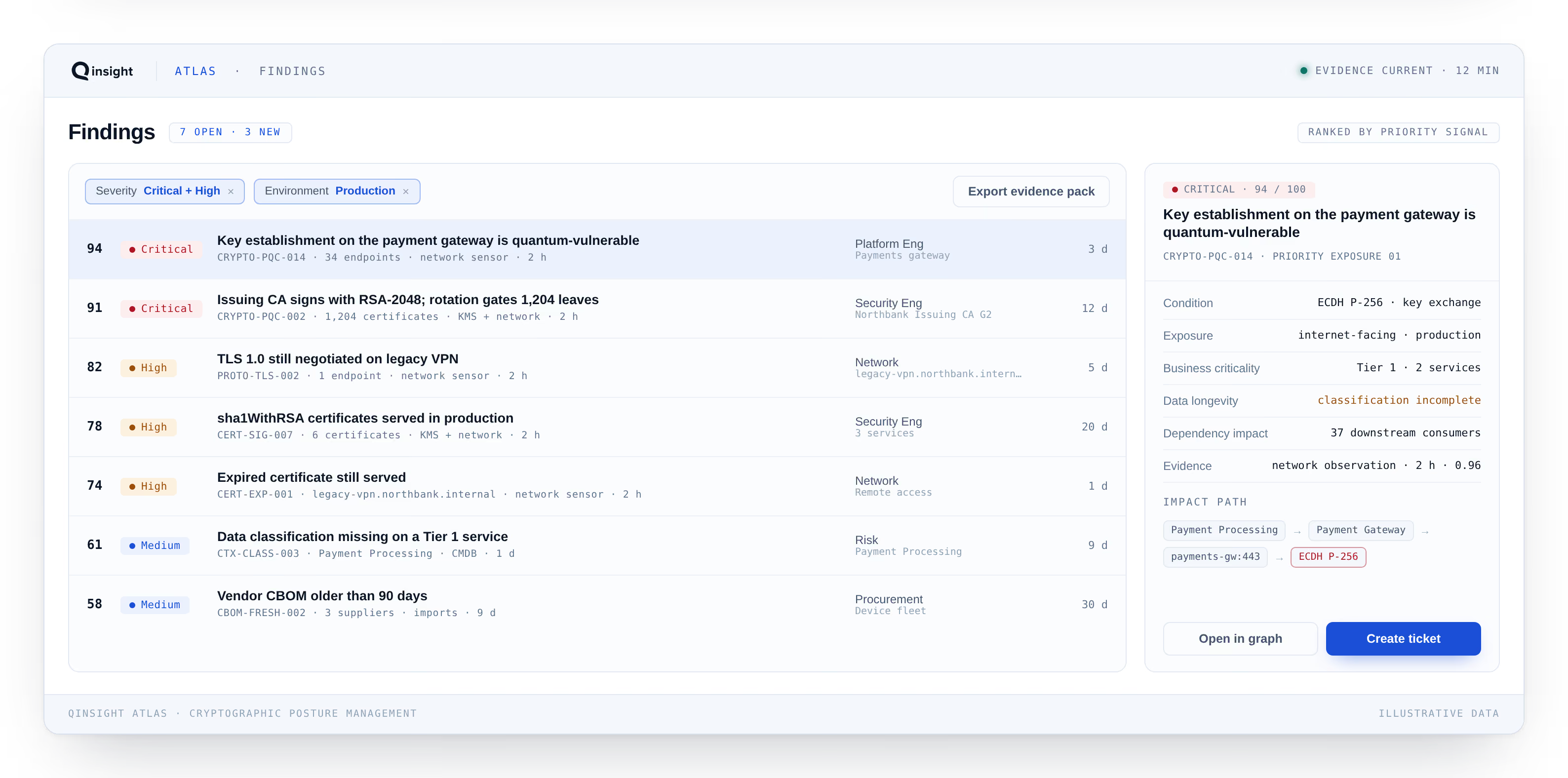
The model below illustrates how Atlas approaches prioritization. Figures are representative rather than drawn from a live environment.
The algorithm is one input, not the conclusion
An illustrative view of the evidence, business context and uncertainty that inform cryptographic risk assessment.
One finding, fully explained
Show the evidence before the score. Every factor is inspectable, and what is missing is stated rather than hidden.
Do not turn missing context into false precision.
When data classification is incomplete, the finding says so. A score that hides its own uncertainty is worse than no score.
A number you can watch move, against the coverage it is computed over
A posture score is only trustworthy if the coverage underneath it is rising too. Atlas plots both on the same axis, so a score that improves because discovery shrank is visible for what it is. Every point resolves to the evaluation that produced it.
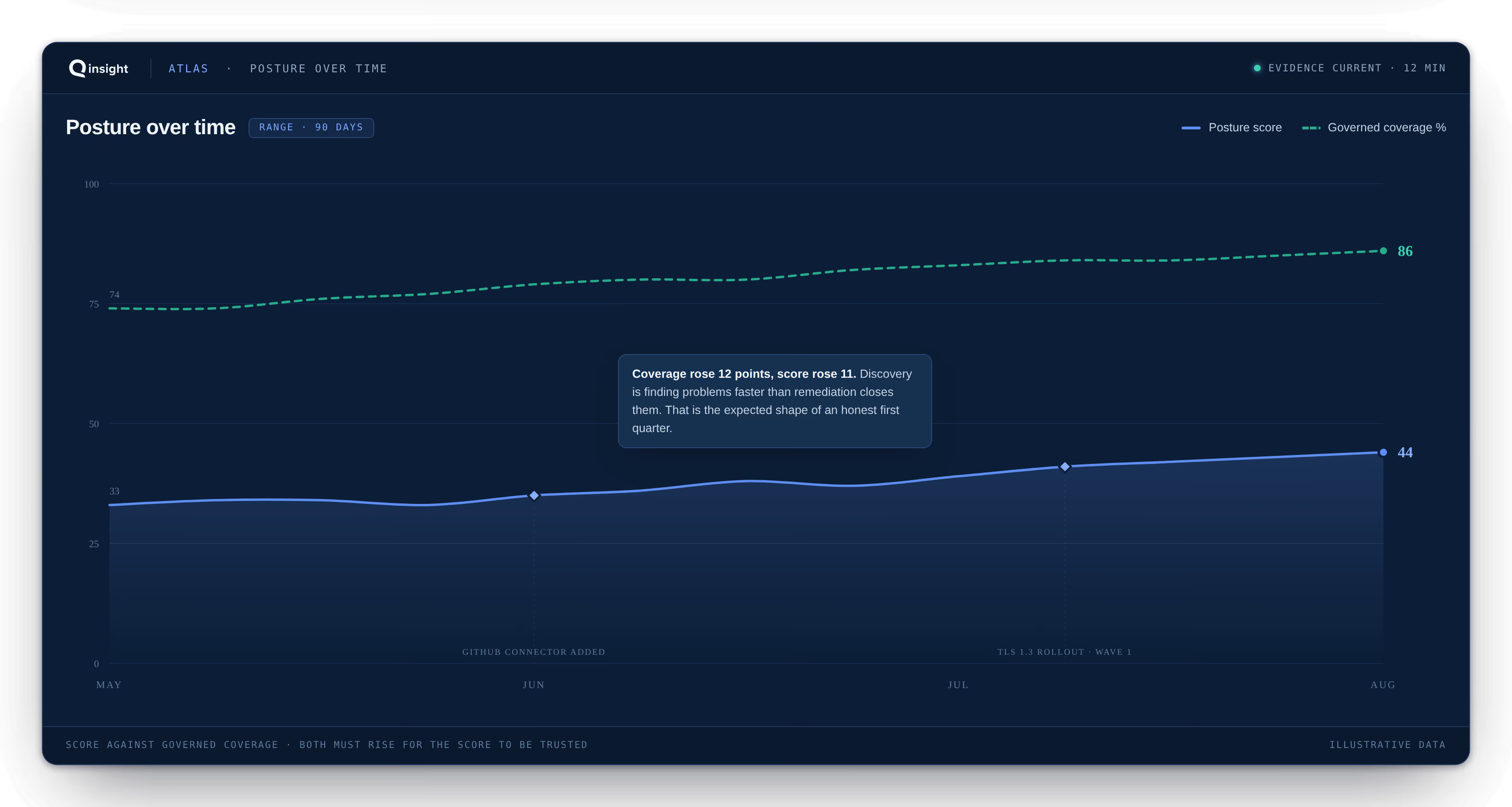
Posture over time · range 90 days
Translate risk without changing the underlying evidence
A shared vocabulary helps cryptography, application, infrastructure and risk teams work from the same meaning.
What do I change?
The object, its dependencies, the change window and what will break downstream.
What is exposed?
Prioritized findings with the evidence behind each one and stated confidence.
How do you know?
Provenance, timestamps, collection method and full record history.
Are we improving?
Coverage, readiness trend and progress against published deadlines.