
Modernize cryptography without interrupting the movement of money.
Map cryptographic dependencies across customer channels, identity, payments, trading, core systems, cloud and third parties, then sequence change around resilience rather than around the org chart.
The same cryptography can carry confidentiality, transaction and resilience risk
The same key can be a confidentiality problem, an integrity problem or a continuity problem depending on the flow it sits in. Priority has to know which.
Long-lived confidentiality
Customer records, identity data, legal archives and strategic information may stay valuable long beyond today's cryptography.
- Data class and retention
- External exposure path
- HNDL prioritization
Transaction integrity
Payments, trading, messaging and identity rely on signatures, certificates and trust paths that must change without breaking confidence.
- Signing and authentication
- Protocol dependencies
- Counterparty readiness
Operational continuity
Migration decisions must account for service criticality, change windows, fallback behavior and regulatory reporting obligations.
- Business-service tier
- Blast radius
- Validation and rollback
Cryptographic dependencies cross organizational boundaries
Map the flow, not just the asset. A single payment may traverse a mobile client, identity service, API gateway, fraud platform, processor, rail and core ledger, each with different owners and different migration readiness.
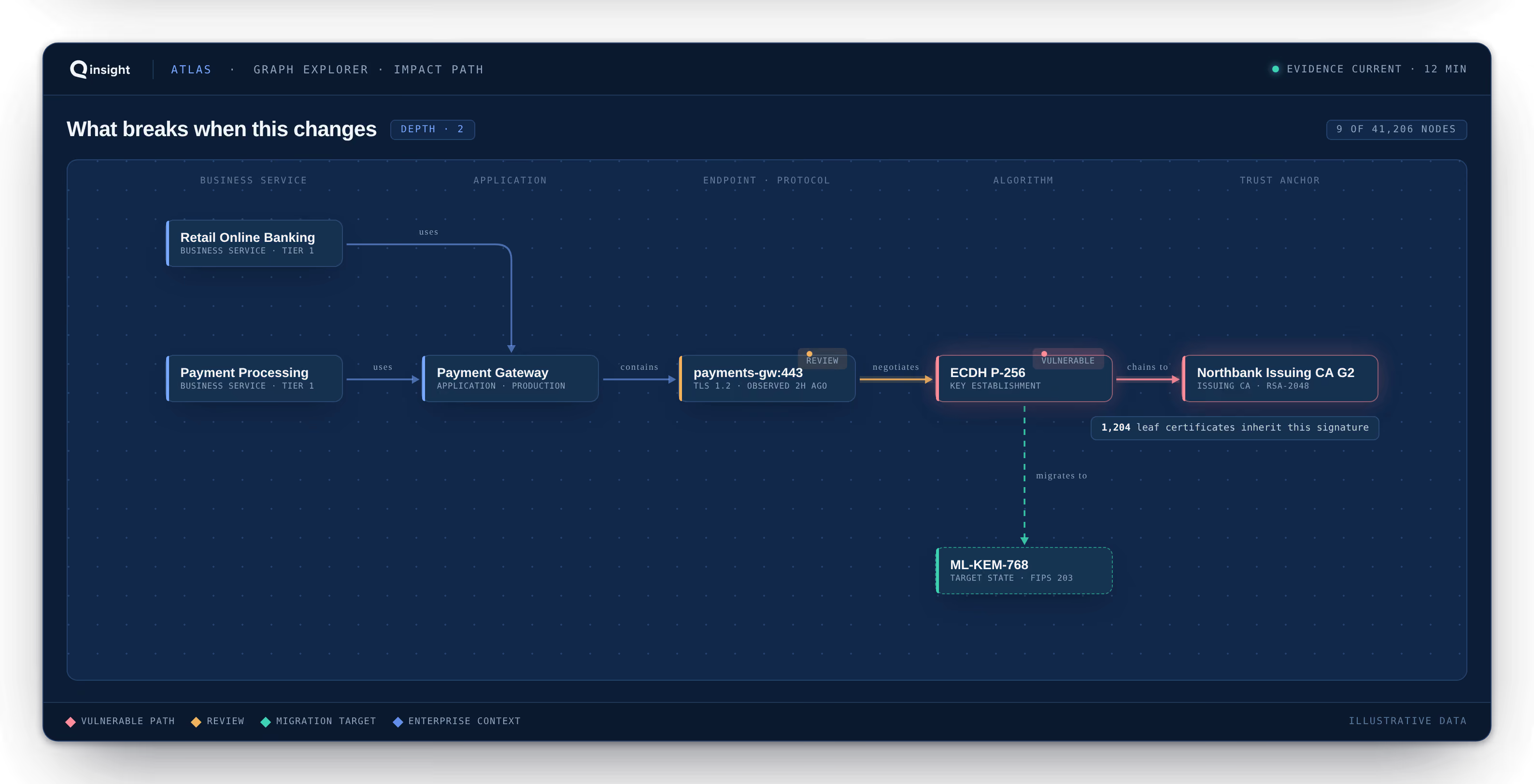
Sequence by shared dependency and operating risk
Group change around real systems and counterparties instead of treating every cryptographic object as an independent ticket.
What the G7, DORA and PCI DSS each ask of cryptography
One record, five accountabilities
The buying committee is wide in financial services. The same evidence base should serve all of it.
Portfolio exposure
Coverage, concentration, readiness trend and unresolved decisions.
Mechanism detail
Algorithms, parameters, trust paths, protocols and observations.
Change impact
Affected service, dependencies, test criteria and owners.
Resilience rationale
Criticality, downtime tolerance, fallback and control evidence.
Traceable evidence
Scope, source, timestamp, assumptions, history and approvals.
Start with one business service
Scope a bounded pilot around a real payment or identity flow and leave with a dependency map you can act on.