One operating layer for enterprise cryptography.
Qinsight Atlas is a cryptographic posture management platform that discovers, inventories, and contextualizes enterprise cryptography in an actionable system of record for risk management and post-quantum migration.
Bring many kinds of evidence into one governed scope
No single collection method can represent an enterprise cryptographic estate. Network observation sees what is negotiated on the wire. It will never see a private key on a filesystem or an OpenSSL version that cannot negotiate ML-KEM.
- Network protocol and certificate observation
- Source code and dependency manifests
- Imported CycloneDX CBOMs from vendors
- Cloud and KMS APIs with read-only credentials
- Credentialed file and keystore scans
- Existing security tooling as a data source
Resolve duplicates without erasing the evidence
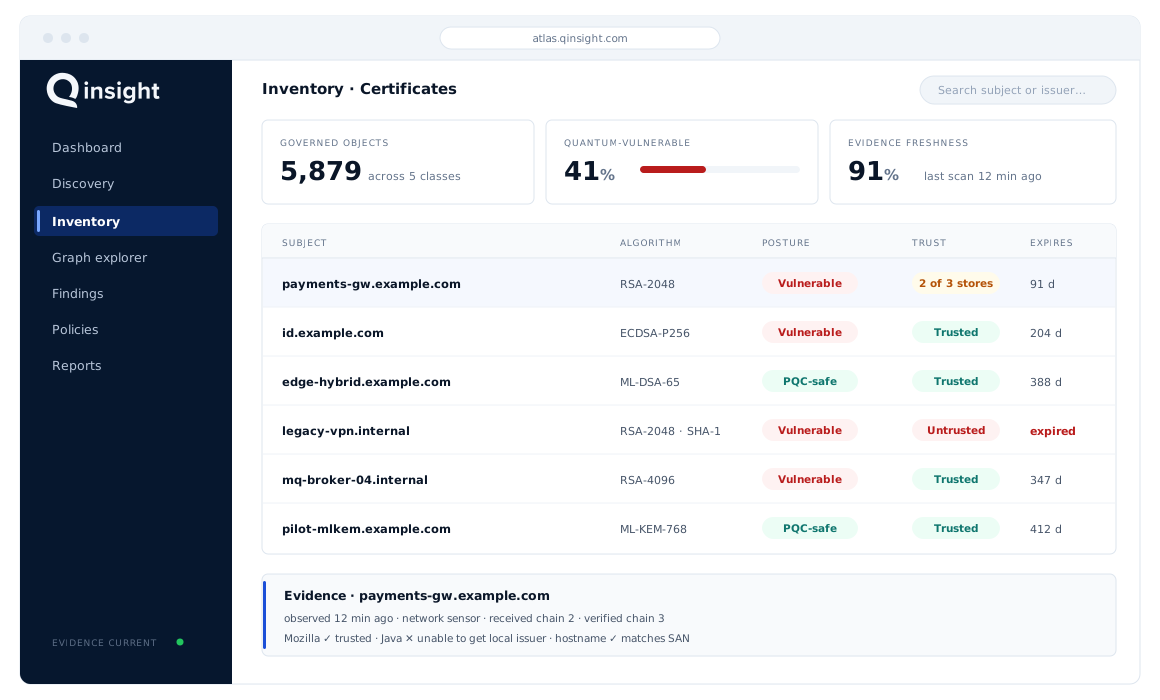
The same key observed by three collectors is one key, not three. Atlas resolves observations to a stable asset identity and canonicalizes algorithm names, while keeping every original observation attached, so the record stays auditable.
Turn a cryptographic object into an operational dependency
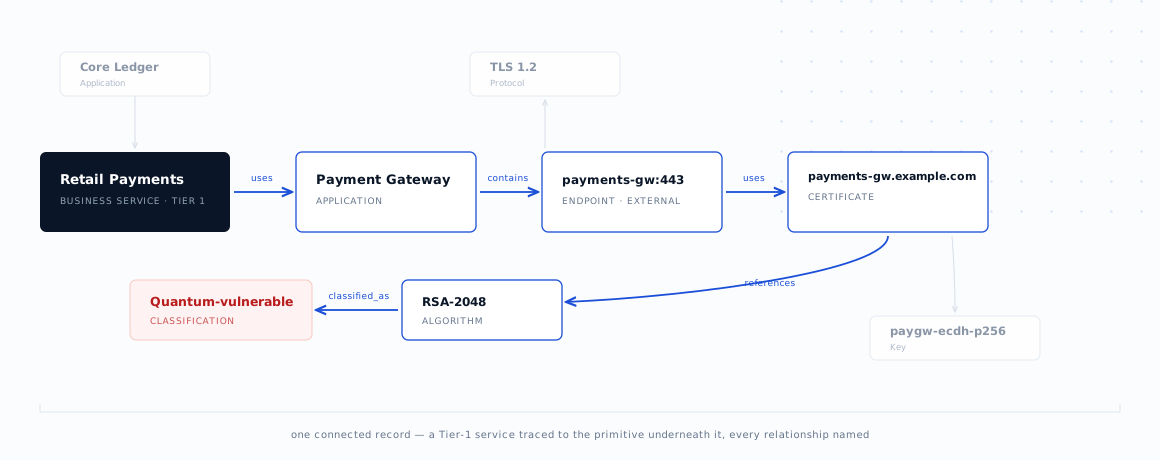
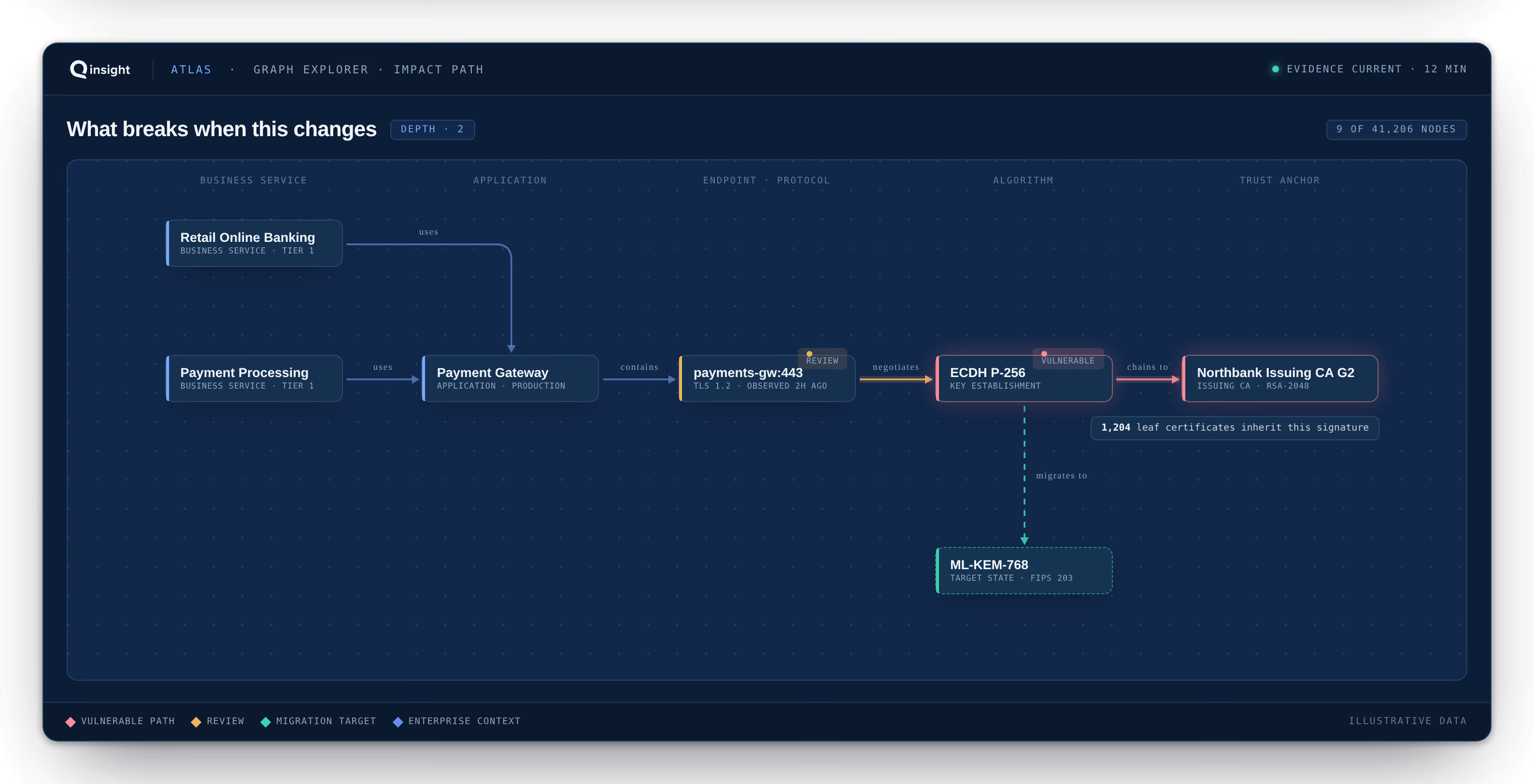
An algorithm becomes operationally meaningful only when it connects to a deployment, a service, an environment, an owner, a data class, observed protocol behavior and an observation history. That is the difference between a list and a system of record.
What depends on it
Every service, job and endpoint that consumes the object, ranked. A weak key reads as blast radius rather than a line item.
Who owns it
The accountable team and its change path, resolved from CMDB and service-graph mapping rather than guessed from a hostname.
What it protects
The data class, environment and retention obligation behind the object, so priority follows exposure rather than finding count.
Findings with context and stated uncertainty
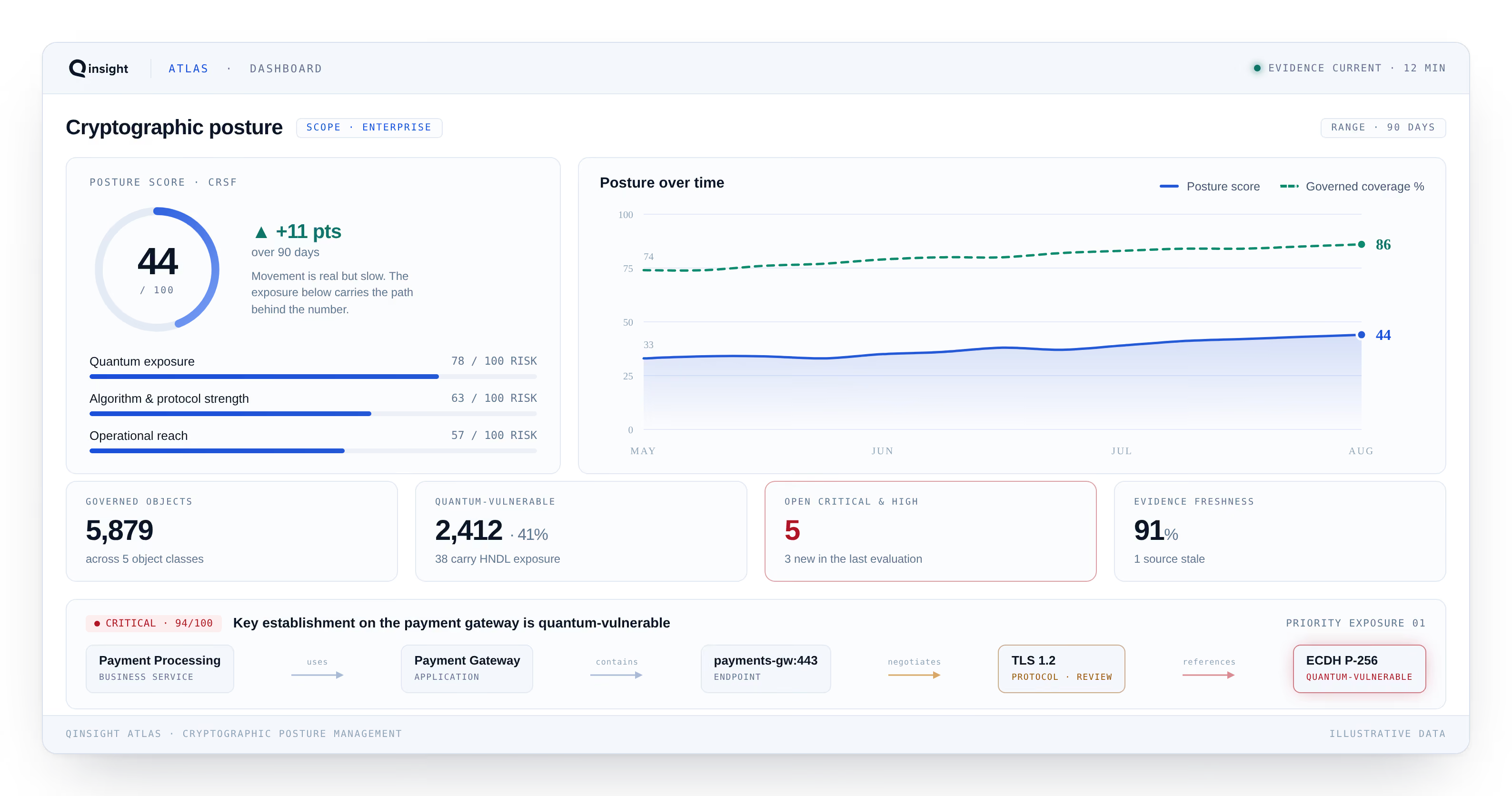
Atlas keeps policy evaluation connected to the condition, the evidence, the business context and the uncertainty underneath it. A priority signal that cannot be decomposed cannot be defended, so every input stays inspectable rather than collapsing into a bare number.
Operational and executive evidence from one record
The same underlying record should produce an engineer's work queue, a security leader's exposure view, an auditor's evidence pack and a board summary, without any of them being assembled by hand.
Designed as layers, not a black box
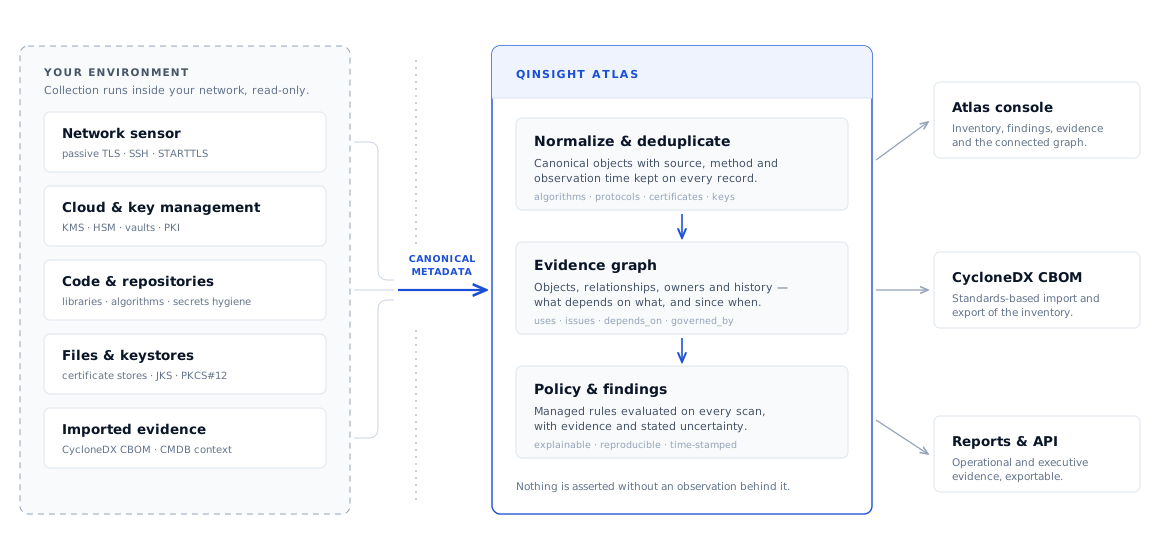
Collection runs inside your environment. Only metadata crosses the trust boundary into Atlas, where it is normalized, correlated and evaluated; the console, CBOM exports and reports all read from the same evidence graph and canonical data model.
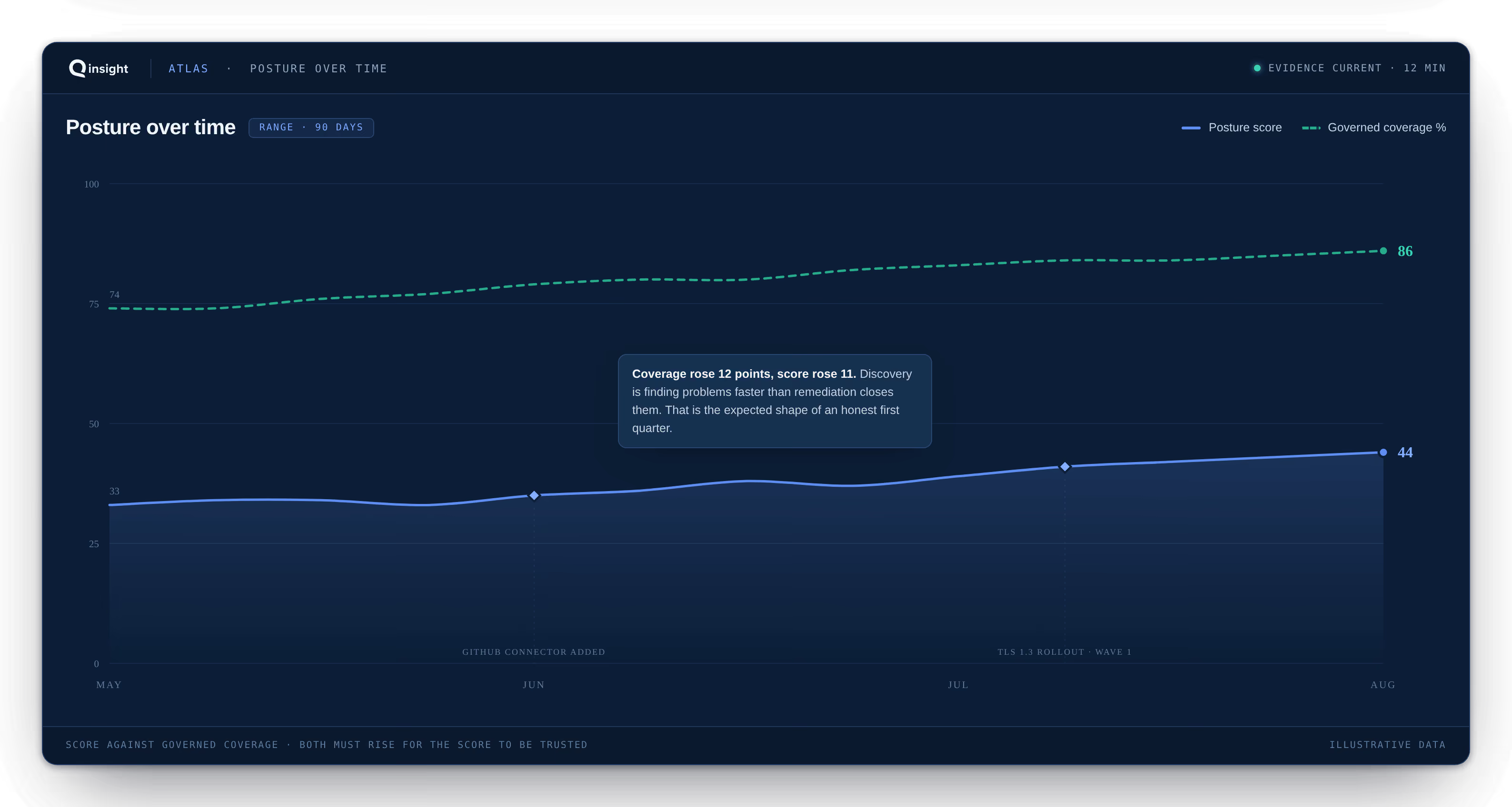
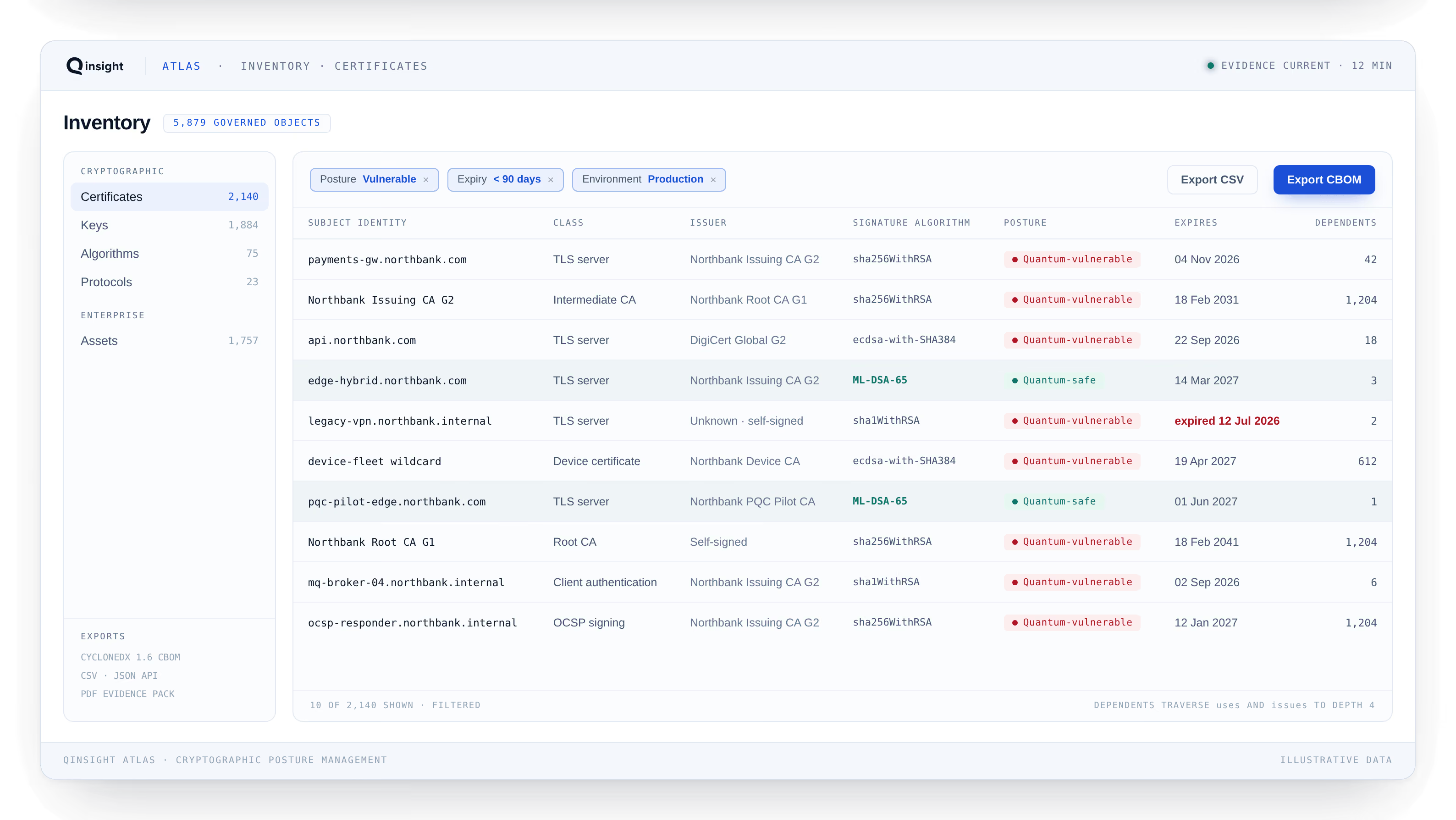
The same evidence graph, read three ways
How posture moves over time, what depends on a single vulnerable algorithm, and the row-level inventory that both of them resolve to.
See the platform against your own estate
One business service, three to five evidence sources, and success criteria written down before collection starts.